 447300463745
 info@belgiumvisaappointment.co.uk
 Express Visa Application
 02084326004
February 6, 2026
Biometric verification in Belgium is now a standard requirement for UK residents and non-EU nationals applying for visas and residence permits. Since Brexit, the process has become more structured, frequent, and strictly enforced.
For UK travelers, students, workers, and family members, understanding biometric rules is essential. A mistake can cause long delays or refusals. This guide explains everything in simple terms, using the latest EU and Belgium regulations.
Quick Overview: Biometrics Verification Belgium for UK Applicants
| Category | Requirement | Validity/Retention |
| Schengen Visa (Short Stay) | Fingerprints + Photo | Stored up to 59 months (≈5 years) |
| Long Stay Visa biometrics Belgium | Fingerprints + Live Photo | Stored up to 10 years |
| Belgian Residence Card | Fingerprints + Photo | Linked to card validity |
| EU Entry/Exit System (EES) | Fingerprints and Facial Scan | Stored up to 3–5 years |
| GDPR Protection | Mandatory | Sensitive personal data |
Belgium uses biometric verification to confirm identity, prevent fraud, and protect border security. This procedure includes fingerprints and facial recognition.
For UK travelers, biometric submission is now routine. It applies to most visa types and residence permits. The system is digital, centralized, and regulated under EU law.
Biometric verification in Belgium ensures that a person cannot obtain several identities to apply multiple times. Besides that, it makes border and immigration checks faster.
Biometric data is defined as the physical features that are used to identify a person during the biometric verification process in Belgium. This includes:
Since such characteristics are unique to every individual, they are therefore much less likely to be borrowed or counterfeited than passports or other paper documents. Consequently, biometric information can be very effective against identity fraud and the unlawful use of visas.
The European Union is using biometric verification in Belgium as a way to make border checks more secure and accurate. Moreover, they help the police in enforcing visa regulations, finding out those who have overstayed their permitted duration, and stopping one person from having multiple identities.
Belgium is very close to the European Union legislation in terms of the collection and use of biometric data. Such laws are aimed at safeguarding the rights of individuals while at the same time enabling the authorities to carry out their immigration and border control functions effectively. The primary legal instruments are
Biometric data is considered sensitive personal data under these regulations. Therefore, the biometric data enjoys a higher level of legal protection compared to ordinary personal data. Belgium and EU officials are, among others, required to:
Note: These rules make sure that the Belgium visa biometrics system is able to strike a proper balance between security requirements on the one hand and the respect for the individual’s rights to privacy and data protection on the other.
Following Brexit, UK nationals are now considered third-country nationals for the purposes of EU immigration rules. Therefore, biometric submission is required for most immigration and residence procedures in Belgium. You have to give biometrics if you are:
Biometric data is often required even when it has been previously submitted. In the case of new residence cards, permit renewals, or status changes, fresh biometric collection is usually required. This is done so that the Belgium authorities would always have the most recent data. and accurate identity records linked to your current legal status.
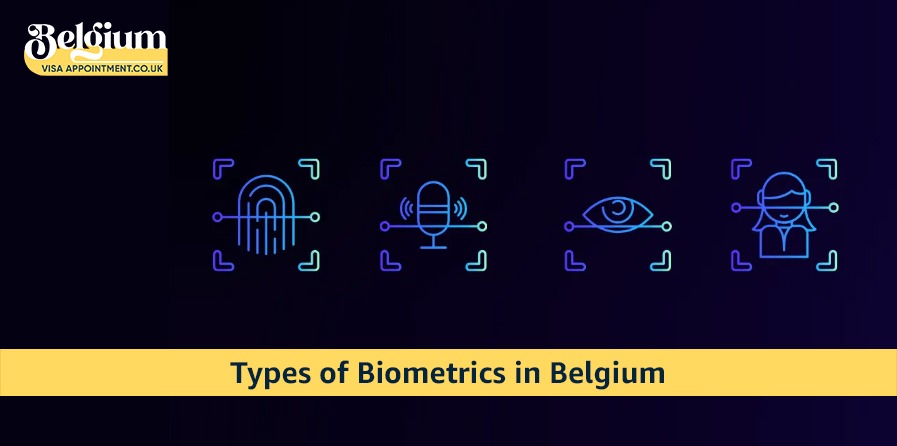
Belgium collects two main types of biometric data to confirm identity and prevent fraud. These biometrics are used for visas, residence permits, and official identity cards.
All ten fingerprints are scanned digitally using secure equipment. The process usually takes only a few minutes. However, certain issues can affect scan quality, including:
If the system cannot capture clear prints, you may be asked to return for a repeat appointment. This can cause processing delays.
A live digital facial photo is taken at the application centre or local office. This is not the same as a passport photo. The following rules apply:
This image is used for facial recognition systems and printed on your Belgian residence card.
Biometrics for Visas vs Residence Permits
| Purpose | Biometrics Required | Reuse Rules |
| Schengen Visa | Yes | Valid up to 59 months |
| Long-Stay Visa biometrics Belgium | Yes | Often reused for future D visas |
| Belgian Residence Card | Yes | New card = new biometrics |
| Lost/Expired Card | Yes | Fresh biometrics required |
More to read: Belgium Visa Processing Time 2026 – Fast Approvals, Delays & Expert Tips
Biometric data in Belgium is stored for limited periods, based on EU and national legal systems. How long data stays in storage depends on the original reason for data collection. According to the EU regulations:
Generally biometric data is not kept forever. There must be a proper and legitimate reason for the authorities to keep such data. When the purpose for which the data was collected comes to an end, the data has to be either deleted or made anonymous in accordance with GDPR and EU data protection legislation.
Fact: With the new EES system in 2026, Brussels airports expect daily passenger volumes to exceed 90,000, creating potential delays during peak summer periods.
To expect your data will be stored securely, Belgium and EU authorities are legally obliged to keep biometric data safe and secure at all times and therefore must prevent:
At your biometric appointment in Belgium, your identity will be checked first. You will then have your fingerprints scanned and a digital facial photo taken. Finally, you will be asked to confirm your personal details. The entire process is usually quick and takes around 10 to 20 minutes.
Before Brexit, UK citizens benefited from simplified rules and often faced fewer biometric and immigration formalities when moving to or staying in Belgium. Now, UK nationals are treated as non-EU (third-country) nationals under EU law. The change means:
As a result, immigration processes are more detailed and time-sensitive. Being proactive is now very necessary, as UK nationals have to add more time for appointment slots, document verification, and biometric processing if they want to avoid getting their travel, residence, or permit renewals delayed.
That is where our experts at BELGIUM VISA APPOINTMENT step in. Many people traveling to Schengen regions book their slots at the last moment, due to which they are not able to get their visa delivered on time, making them change their plans at the last moment.
If you are not able to get an appointment slot for a Belgium visa even when applying for it multiple times, it’s time to get professional assistance from visa experts.
Our visa experts with over 16 years of experience assist in visa appointment slot scheduling, documentation handling, and more for a smooth visa process without hassle. APPLY NOW!
Good preparation will help you avoid delays and multiple visits to the centre. Just follow these simple tips:
Note: All these small things can lead to improved results. Therefore, it is recommended to plan your biometric appointment for Belgiumwell in advance for a successful and seamless biometric process. Our visa experts at BELGIUM VISA APPOINTMENT make sure to get your visa delivered on time, thereby ensuring that you are prepared and ready in advance for a smooth visa process.
More to read: Belgium in April 2026: Explore Belgium With This Mini Travel Guide
Biometric verification in Belgium is a process that is now unavoidable for UK residents and non-EU nationals. The system is legal, secure, and standardized. It is not as complex as it may seem; in fact, most appointments are quick and routine for a seamless journey.
Your biometric check will not hold up your plans if you come prepared, have the right documents, and book your appointment on time.
Yes, after Brexit, biometrics are required for both UK residents and UK citizens, such as fingerprints and a photo. This is applicable to applicants aged 12 and over unless they have submitted biometrics for a Schengen visa.
According to the upcoming implementation of the EES, biometric records for border checks will be valid for 3 years.
Yes, as of 2026, providing biometric data such as fingerprints and photos is mandatory for the renewal of Belgium residence permits.
Yes, it is highly protected under GDPR, as it is classified under special category data. It is defined as personal data resulting from specific technical processing (e.g., facial images and fingerprints) that allows for unique identification of an individual.
If your fingerprints do not scan properly, it is generally treated as a technical issue that can be resolved on-site, as without biometrics, your visa cannot be processed. So. at the visa centre makes sure that fingerprints and facial scans are captured in a proper manner following the Schengen guidelines.
Children above the age of 12 years are required to submit their biometrics. They still need to attend an appointment for a digital photograph. For long-stay visas, children under the age of 6 may apply, and children under 18 must be accompanied.
Yes, the fingerprints and facial images are shared across 29 European Schengen countries through the new Entry/Exit System (EES). for your convenience, so you do not have to register again when you next travel to a different Schengen country.

July 13, 2026


June 24, 2026

June 23, 2026


 Your information is safe with us and will not be shared with third parties.